Specialist alternative provision

Specialist alternative provision for autistic young people and learners with complex SEND.

Supporting young people to build trust, confidence and meaningful next steps.

EmpowerEd North provides specialist, highly individualised education support for young people who may be struggling to access or sustain their current school or college placement. We work with learners who need a calm, sensory-informed, communication-led approach, with careful planning around safety, regulation, engagement and meaningful progress.

Our main focus is young people in the secondary and post-16 age range, with any placement considered carefully on an individual basis. We work across Tyne and Wear, Northumberland and County Durham, depending on suitability, location, staffing and commissioning arrangements.

Planned strands

Two routes, with different levels of support.

EmpowerEd North is developing two distinct strands. This helps families, schools and commissioners understand which route may fit the young person’s needs.

Commissioned specialist AP placements

Individual placements for learners with complex SEND, placement breakdown, anxiety, dysregulation, severe learning disabilities, communication needs or carefully managed transition needs.

These are planned with the school, local authority, family or commissioner, with suitability, risk, staffing, location and review arrangements agreed before a placement begins.

Read about the commissioned offer

Home Education Pilot Programme

A separate developing small-group pilot for home educated autistic young people aged around 12-16 who may benefit from carefully supported peer interaction, communication opportunities and confidence-building activities.

This pilot is not intended to replace highly individualised commissioned support where a young person needs intensive 1:1 or 2:1 planning, significant care or medical support, or a risk-managed transition package.

Read about the Home Ed pilot

Who we support

For learners who need time, trust and carefully planned support.

Complex SEND

Autism, severe learning disabilities, complex communication needs, sensory differences and individual learning profiles.

Placement pressure

Learners experiencing anxiety, dysregulation, prolonged non-attendance, disengagement or risk of placement breakdown.

Next-step support

Transition planning for school, college, supported living, social opportunities, community access or other agreed outcomes.

How we work

Small, relationship-based and responsive.

EmpowerEd North is designed for learners who may not be ready for a standard timetable or classroom model. Sessions can be low-demand, practical, community-based or highly structured depending on what the young person needs.

Education is understood broadly: not only completing tasks, but building the communication, regulation, independence and confidence needed to take part in everyday life.

For one learner, progress might be sharing space with another person. For another, it might be using a communication system, visiting a familiar shop, returning to a learning routine or preparing for next steps such as college.

How placements are agreed

EmpowerEd North is a specialist alternative provision, not a school. Each placement is planned with the family, school, college, local authority or other commissioner, with suitability, support level, safety and review arrangements agreed before a learner starts.

For schools, colleges and local authorities

Planned as part of a wider education or support plan.

EmpowerEd North works as part of an agreed wider education or support plan. Before any placement begins, we agree referral information, safeguarding routes, attendance reporting, risk assessment, review points, communication arrangements and commissioning expectations.

Each placement is planned carefully around the young person’s needs, EHCP outcomes where relevant, and the level of support required to keep the learner and others safe.

Commissioner-ready information

Schools, colleges and local authorities can request key policies, referral information, suitability processes and placement documentation as part of due diligence and planning.

Why EmpowerEd North?

Led by experience, shaped around meaningful goals.

EmpowerEd North is led by Janice March, an experienced SEND practitioner with over 20 years' experience supporting autistic young people and learners with severe learning disabilities, complex communication needs and highly individual profiles.

Janice has worked across mainstream schools, specialist bases, special schools and further education, with experience from primary through to post-16. She holds postgraduate qualifications in autism, and her previous work includes developing autism provision recognised by the National Autistic Society with an Inspirational Education Award in 2016.

Janice also brings lived family experience of autism, which informs her understanding of how complex and emotional it can be for families to navigate education, support and next steps.

The work is practical, sensory-informed and relationship-based: understanding the learner, reducing pressure, building trust and helping the adults around them know what support actually works.

Meaningful outcomes

Goals are personal to each learner. They may include communicating wants and needs, sharing space safely, accessing familiar places, building independence, preparing for appointments or moving towards a next step.

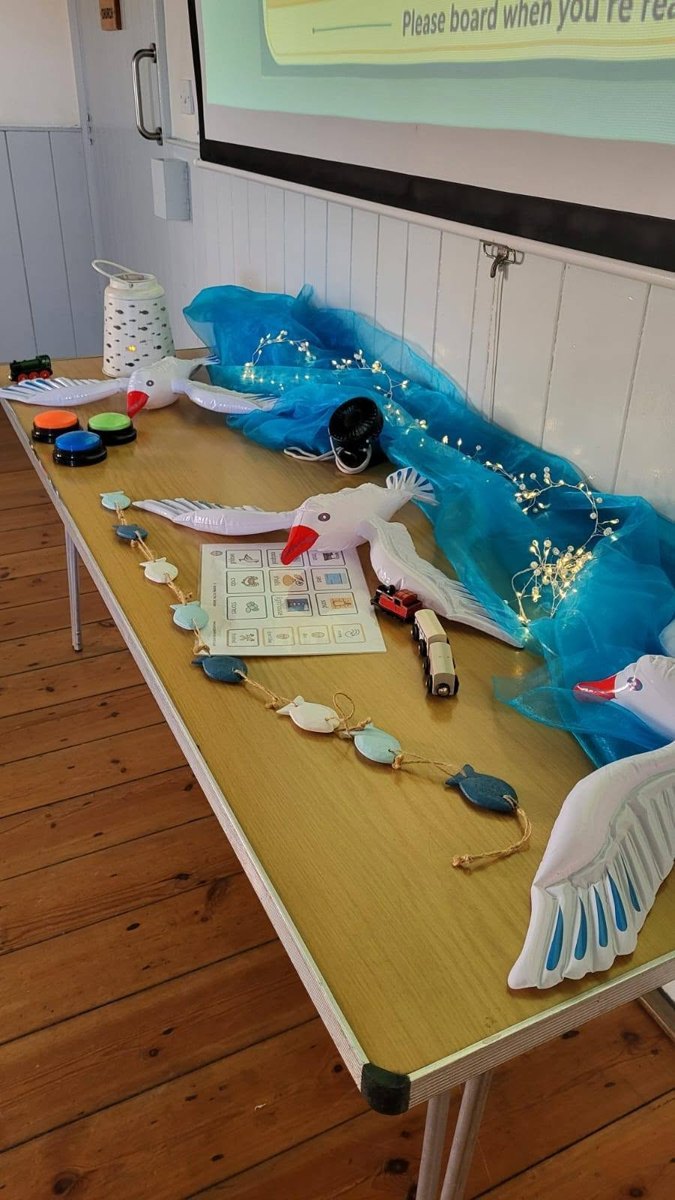
Bespoke transition support

Helping young people move towards their next step.

Some young people need careful support before they can move on. This might mean returning to school, starting college, accessing social or leisure opportunities, preparing for supported living, attending appointments or becoming more confident in community spaces.

Building trust first

We can work gradually with the learner so they feel safer with the adults, places, routines and expectations involved in the next step.

Working with the accepting provider

Where agreed, we can liaise with the school, college, setting, social care team or community organisation receiving the learner.

Making support practical

This may include visual supports, social stories, graded visits, sharing strategies, modelling approaches and helping other adults understand what works.

Meaningful participation

Broadening experiences, building opportunities.

EmpowerEd North aims to help learners safely experience more of the world around them, at a pace and level that is right for them. This may include new routines, community access, practical life skills, communication opportunities, social interaction, sensory regulation and activities linked to personal interests and EHCP outcomes.

Feeling safe enough to begin

For some learners, progress begins with feeling safe in a calm environment, building trust with familiar adults and knowing what will happen next.

Taking part in more of life

Support can include trying new activities, making choices, accessing familiar places, sharing space with others and becoming more confident in everyday routines.

Skills for now and the future

Learning can include communication, independence, self-advocacy, daily living skills and Preparing for Adulthood outcomes that support quality of life.

What support can look like

Practical support, planned around the young person.

Gentle beginnings

Short, carefully planned sessions, low-demand first meetings, familiar routines and time to build trust.

Communication and regulation

Communication support, sensory regulation activities, processing time and approaches that reduce pressure.

Learning through real life

Practical learning, independence, choices, daily living skills and meaningful tasks linked to the learner's next steps.

Community and appointments

Graded preparation for familiar places, community access, appointments or leisure opportunities when appropriate.

Transition visits

Supported visits, visual supports, social stories and gradual steps towards a new setting or opportunity.

Support for adults

Sharing strategies, modelling approaches and helping families or receiving providers understand what works.

Discuss a potential referral

Schools, colleges, local authorities, families and professionals are welcome to make an initial enquiry. A brief outline of the young person's needs and the support being considered is enough to begin the conversation.